
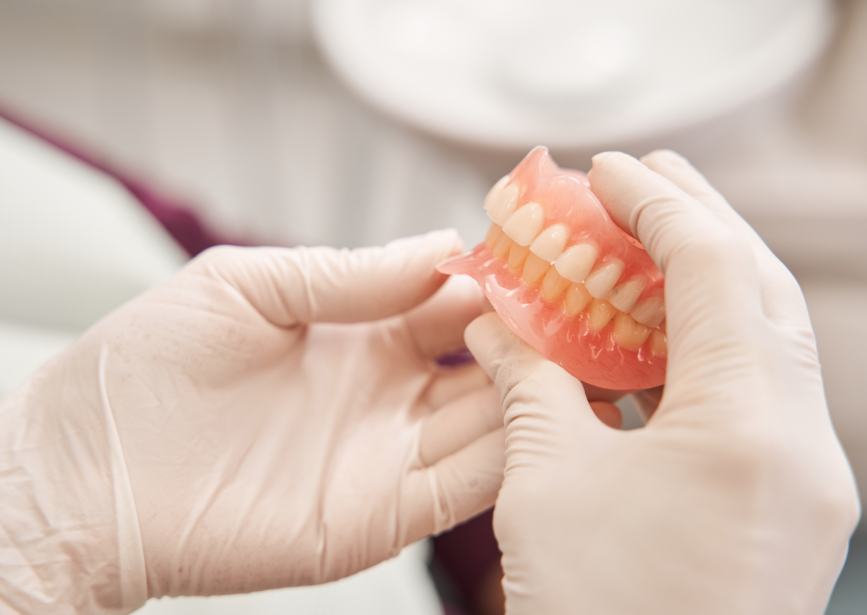
Denture sores are irritated or inflamed areas on the gums that develop when dentures don’t fit quite right or when they create repeated pressure on soft tissue. One of the most common causes is an improper fit, which can happen as the shape of the gums naturally changes over time. Even well-made dentures may need periodic adjustments.
Other causes include trapped food particles beneath the denture, poor oral hygiene, or wearing dentures for too long without giving the gums a break. In some cases, new denture wearers are more prone to sores simply because their mouth is still adjusting to the appliance. Underlying conditions such as oral yeast infections (like thrush) can also worsen irritation.
Common Symptoms
Denture sores often begin as mild discomfort but can quickly become more noticeable. Early signs include redness, tenderness, or a burning sensation on the gums. As irritation progresses, small ulcers or raw patches may form, making it uncomfortable to chew or speak.
Some people also notice swelling in specific areas where the denture applies extra pressure. If the sore becomes infected, symptoms may include persistent pain, bad breath, or a white coating on the irritated tissue.
Home Remedies for Relief
For mild denture sores, there are several simple steps you can take at home to reduce discomfort and promote healing. First, give your gums a break by removing your dentures for a few hours each day, especially overnight if possible. This allows irritated tissue to recover.
Rinsing your mouth with warm salt water can also help soothe inflammation and keep the area clean. Maintaining good denture hygiene is essential—clean your dentures thoroughly each day using a soft brush and a non-abrasive cleanser.
If a sore is particularly painful, over-the-counter oral gels may provide temporary relief by numbing the area. Eating softer foods can also prevent further irritation while your gums heal. However, avoid self-adjusting your dentures, as this can worsen fit issues.
When to See Your Dentist
While minor irritation can often be managed at home, persistent or worsening sores should not be ignored. If pain lasts more than a few days, or if you notice recurring sores in the same area, it may indicate that your dentures need adjustment or relining.
You should also see your dentist if you experience signs of infection, such as swelling that doesn’t go down, bleeding, or difficulty wearing your dentures comfortably. A professional evaluation can ensure your dentures fit properly and rule out other oral health concerns.
Preventing Future Denture Sores
Preventing denture sores largely comes down to fit and maintenance. Regular dental checkups allow your dentist to make adjustments as your gums and jaw change over time. Proper cleaning of both your dentures and your mouth helps reduce bacteria buildup that can contribute to irritation.
It’s also important to wear your dentures as directed and avoid long periods of continuous use without breaks. Staying proactive with care can significantly reduce the likelihood of recurring discomfort.
Denture sores can be frustrating, but with the right care and attention, they are usually manageable and preventable.
About the Practice
Dental Group West of Toledo is committed to helping patients enjoy comfortable, functional dentures that support both oral health and quality of life. We provide personalized evaluations, adjustments, and ongoing denture care to ensure a proper fit and reduce irritation. Whether you are new to dentures or have been wearing them for years, our team focuses on delivering solutions tailored to your needs so you can smile, speak, and eat with confidence.
Call us at (419) 539-2168 or schedule your appointment online.