
Periodontal Therapy – Toledo, OH
Stop the Complications of Gum Disease
Did you know your gum health is equally important as that of your teeth? The biggest threat to your gums is a preventable infection called periodontal (gum) disease. Although it can be avoided with the right oral hygiene habits, it’s estimated at least 50% of Americans have the infection. Not to mention, it’s the leading cause of tooth loss in the U.S. You don’t have to let it wreak havoc on your smile. We have the personalized solutions you need with periodontal therapy.
What is Periodontal Disease?
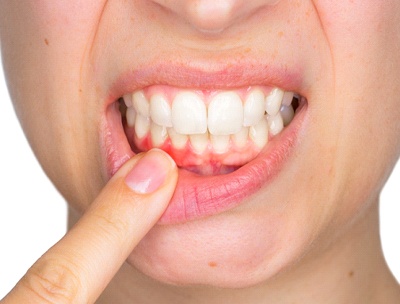
Periodontal disease is an infection in the gingival tissue that occurs from bacteria found in plaque and tartar buildup near the gum line. It irritates and infects the tissue, leading to inflammation, redness, and bleeding. Unfortunately, the complications don’t stop there. If the infection continues to progress, it can lead to tooth loss and many general health concerns, like heart attack and stroke.
What are the Symptoms of Periodontal Disease?
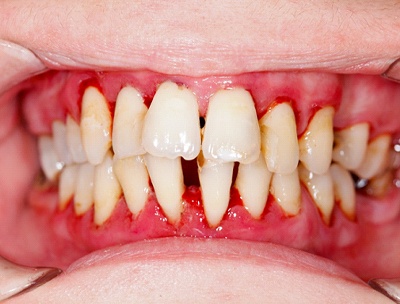
The symptoms of gum disease are often subtle, but they can advance quickly without the right treatment. It’s best to contact our office at the first sign of a problem, such as:
Why Do I Need Periodontal Therapy?
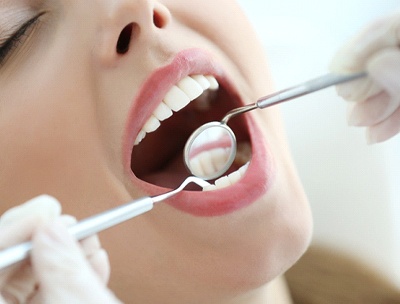
Initially, the symptoms of gum disease may not seem alarming; however, you need treatment right away. The infection will destroy the supporting structures of your teeth, which can ultimately lead to tooth loss. Sadly, the complications of periodontal disease are a little more severe than an incomplete smile.
The bacteria from the infection can enter your bloodstream from the pressure of regular chewing. As it circulates throughout your body, it increases your risk of several health concerns, including cardiovascular disease, Alzheimer’s disease, and diabetic complications.
Our office uses proven solutions to stop the infection and save your smile. We’ll create a personalized treatment plan that may include antibiotic therapy or scaling and root planing.
Scaling & Root Planing
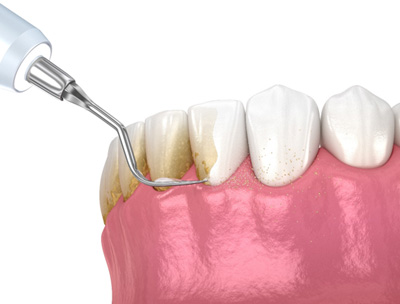
Gum disease is often the result of plaque and tartar accumulating under the gum line. A regular dental cleaning typically won’t be enough to remove these harmful substances. As such, our team will typically need to perform a deep cleaning that involves two main steps: scaling and root planing. A successful deep cleaning can help prevent gum disease from growing worse, and it can give your gums a chance to heal.
Do You Need Scaling & Root Planing?
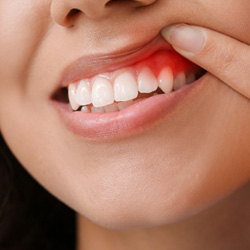
The answer to this question depends on how advanced your gum disease currently is. If you schedule an appointment with our team, we’ll be able to take a closer look at your mouth and determine whether scaling and root planing are necessary in your case. Signs that you might benefit from a deep cleaning include:
- Red or swollen gum tissue.
- Bad breath that won’t go away.
- Gums that bleed easily whenever you brush or floss.
- Teeth that have shifted.
- Difficulty chewing.
The Process of Scaling & Root Planing
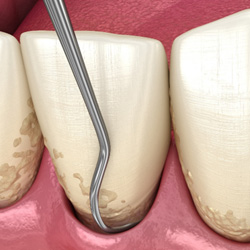
During the scaling step, our team will use special instruments to remove the plaque and tartar that’s contributing to gum disease. We’ll focus on cleaning the area around and below the gum line. If periodontal pockets have appeared between the teeth and gums, we’ll take the time to clean them all the way to the bottom.
After scaling comes root planing. This is a nonsurgical procedure that involves smoothing out the roots of your teeth, which has two main benefits:
- It creates a surface where bacteria won’t be able to accumulate as easily in the future.
- It helps the gums reattach themselves to the roots.
It’s often possible to have scaling and root planing completed in just one visit. However, multiple appointments may be required depending on the severity of your gum disease.
Aftercare Tips for Scaling & Root Planing

It’s important to note that a local anesthetic will be used to keep your mouth numb during scaling and root planing. Once your gum disease treatment in Toledo is complete, it may take a few hours for the anesthetic to completely wear off. Until it does, you should avoid eating anything so that you don’t bite your tongue or the inside of your cheek by mistake.
While you’re recovering from scaling and root planing, you may notice that your gums are somewhat sore and tender. Ibuprofen or another type of over-the-counter pain reliever should be enough to help you keep your discomfort under control. The soreness should normally last about a week before fading away on its own; if it seems to get worse over time, please call our team immediately.
You should be able to brush your teeth normally after scaling and root planing. That said, you will need to be gentle to avoid irritating the gum tissue in the area that was treated.
Schedule Your Consultation
If you have signs of gum disease, don’t wait until it is too late. Contact our office today to schedule your consultation for periodontal therapy. We’ll restore your smile to optimal health.