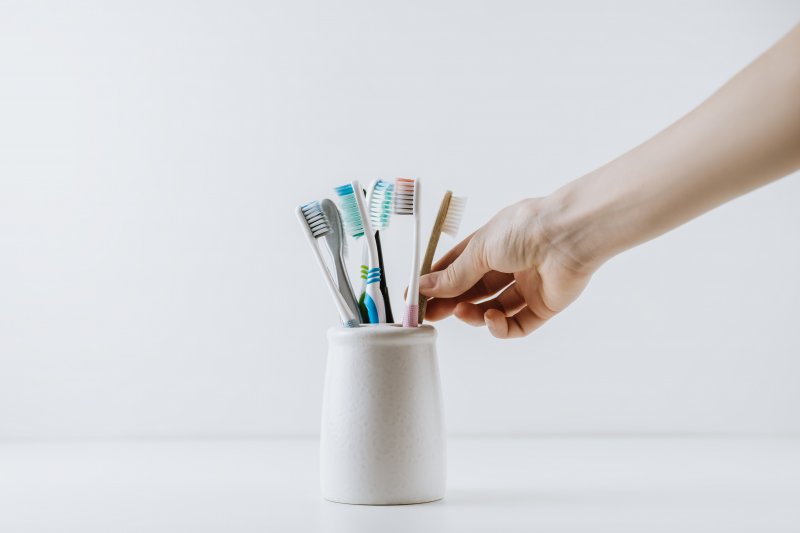
Porcelain veneers can be an excellent way to conceal extensive dental defects like chips, cracks, gaps, and stains and transform a patient’s smile into a gorgeous new state. While these appliances will help protect the treated teeth from infection and injury, excellent oral hygiene habits will still be essential to keep your grin healthy and beautiful. Here’s a brief guide to how porcelain veneers are placed and how you can choose the best toothpaste to keep them in great shape.
Most of us think of dental visits as a way to keep our teeth clean and cavity-free, but your dentist may be your first line of defense for much more than oral health. During routine dental checkups, your provider isn’t just looking for plaque—they’re also trained to spot early signs of systemic health issues. Here are some surprising medical conditions your dentist may be the first to detect.
Even if you are a diligent brusher and flosser, regular dental visits are still a necessary step to achieve optimal oral health. However, many people put their routine dental visits on hold for various reasons. For some, it may be an effort to save some money. The truth is that you can save money when you visit your dentist every six months. Here are some of the ways that seeing your dentist can help you save money.
Many patients assume dental sedation is only available when undergoing complex or invasive procedures, but that’s not always true. It’s easier for your dentist to work on a comfortable, willing, and compliant patient than one who’s anxious or agitated. They might recommend medications if you struggle to sit still for extended periods, have a sensitive gag reflex, or simply feel overly anxious or afraid.
To meet your needs, many dentists offer multiple options, like nitrous oxide and oral conscious sedation. If you’re wondering which method is best for you, continue reading to learn more about each option to decide!
It’s a bit of a bittersweet moment here at our dental practice as we prepare to say farewell to two pillars of our team: Dr. Robert Weisenburger and Dr. Richard Thomas, who are officially retiring after decades of dedicated service to our patients and the entire Toledo community. Continue reading to learn a little more about them!
You’ve just had your teeth whitened to pearlescent perfection, so, naturally, you want your dental cosmetic results to last as long as possible! Besides continuing to brush twice daily and floss once per day, limiting your consumption of certain foods and drinks is a good way to help your smile stay sparkly.
For one reason or another, the treats listed below can all contribute to dental staining. Keep reading so you know what to watch out for.
There’s “more than one way to skin a cat,” as the saying goes, and there’s more than one way to whiten your teeth! You could, for example, go to the store for an off-the-shelf whitening kit, or you could receive a customized kit from your dentist.
The price of store bought products might be attractive, but there are some pretty good reasons why it’s generally better to go pro. To learn why your dentist’s methods are better than store-bought, keep reading.
Dentures are one of the most popular ways to restore your smile after losing teeth because they are a versatile solution. Whether you require a partial set to fill in a few gaps or need to replace an entire arch simultaneously, your dentist can provide prosthetics to accommodate.
Furthermore, dentures often remain in good shape for about 7 to 10 years, depending on how well you care for them. However, they don’t usually last forever, so you’ll likely need to replace them at some point. Continue reading to learn about 3 signs that let you know it’s time!
When preparing you for an upcoming tooth extraction, your dentist will likely provide both pre-op and post-op instructions for you to follow. Their orders are intended to help you have a successful procedure and recover as quickly as possible without developing adverse effects.
If you’ve been reading through your information, you might have noticed that hot drinks are not recommended for the first 24 to 28 hours after your appointment. Those who rely on a hot mug of coffee every morning often want to know why they can’t indulge in their caffeine habit right away. Continue reading to learn when you can safely enjoy a cup of joe after having a problematic tooth pulled!
Struggling with a toothache that won’t go away or seems to be getting worse? If so, there may be an underlying issue like tooth decay that has led to an infection or nerve damage. Typically, a root canal is the most effective treatment to repair and save the tooth. However, some patients may wonder if extracting the tooth and replacing it with a dental implant would be a better option. Read on to find out why your dentist might recommend it.